TreasuryView

How to migrate all bank and intercompany loans to TreasuryView: a treasury platform migration guide

Last updated:

Three steps, no IT team, no setup fee: upload your data with ready-made templates, or enter it directly in the app, and TreasuryView takes care of the rest.

Read on for the three steps, then the answers to the questions we hear most often. Need pricing details first? See pricing and plans.
Worried about a complex migration? Here's how the three steps work

  1. Gather and prepare your loan transaction data.

    Collect the loan terms from the spreadsheets, term sheets or PDFs you use today. You do not need to upload all data at once: start with a handful of loans to see how TreasuryView works and how it automates reporting, then migrate the rest.

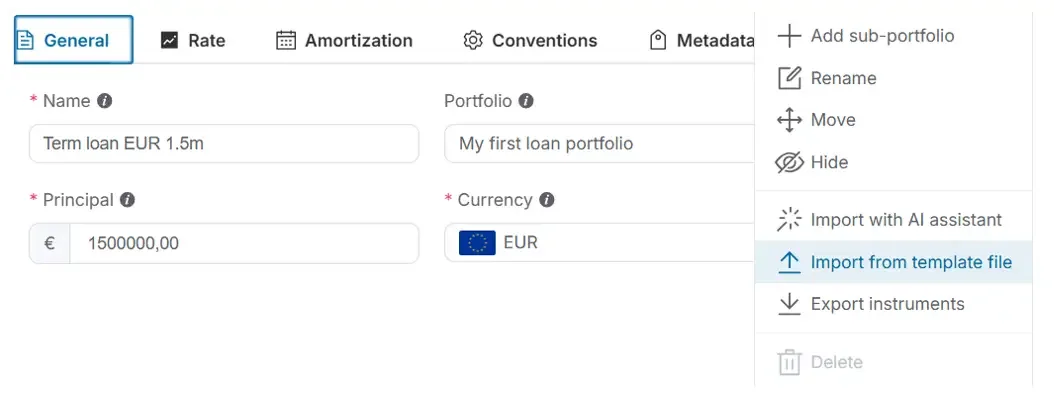
  2. Upload your data using Excel templates, or enter it directly with the deal entry form inside TreasuryView.

    Most users prefer the in-app deal entry form for smaller portfolios and the templates for larger ones. Once uploaded, you get immediate access to transaction overviews, risk analytics and pre-built visualizations.

    Deal entry and import form for loan transactions
    • Excel migration template, available after sign-up
    • Preview each repayment schedule before you save
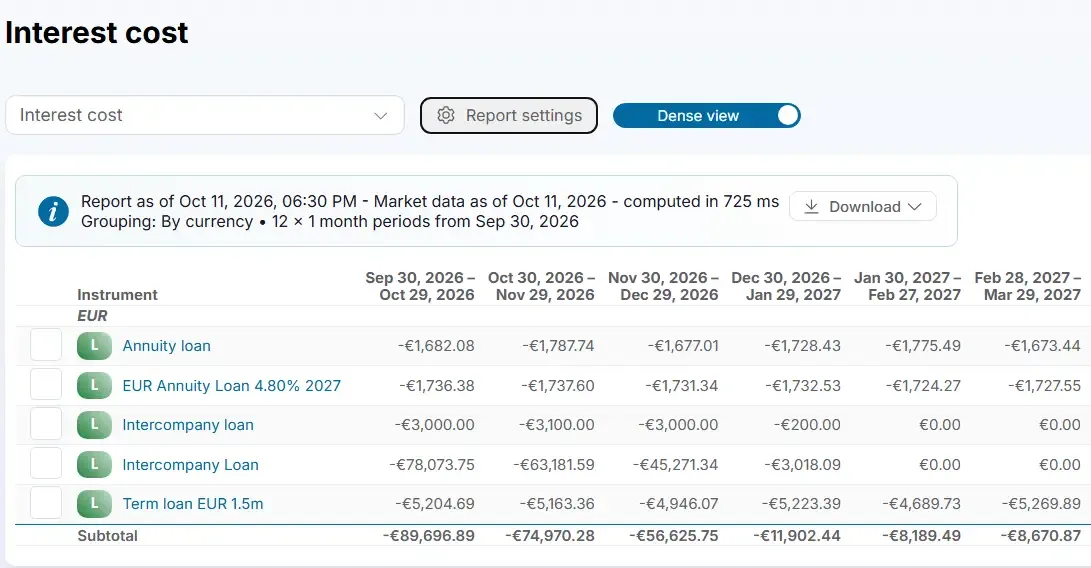
  3. Let TreasuryView automate the rest: generate reports based on your needs.

    Interest accruals, multi-currency positions and board-ready reports are calculated for you, so finance teams stop rebuilding schedules by hand every month.

    TreasuryView interest cost report over time

Automate your loan management and retire the spreadsheets in minutes

No IT needed, no setup fee.

FAQ: loan transaction data import to TreasuryView

How can I import my existing spreadsheets into TreasuryView?

TreasuryView offers user-friendly upload templates and an in-app entry form, so importing data from your existing spreadsheets is straightforward. Most users prefer the in-app deal entry form for smaller portfolios and templates for larger ones. Once uploaded, you get immediate access to transaction overviews, risk analytics and pre-built visualizations.

Do I need IT team help to transfer the debt transaction data to TreasuryView?

No. You don't need an IT team to migrate your data from spreadsheets or another system into TreasuryView. Use the templates provided, or enter your data directly using the in-app deal entry form.

Do I need to upload all data at once to test TreasuryView?

No. You can upload a handful of loans first to see how TreasuryView works and how it automates reporting, before migrating everything else.

Can I import my existing debt data into TreasuryView?

Yes: importing your loan data into TreasuryView is quick and straightforward. You can either enter data manually using the in-app form, or upload in bulk using the Excel templates provided inside the platform. Contact us or book a demo if you'd like help. Real people answer, and they'll help you migrate your data.

What's the best way to manage bank and intercompany loans across a group without using spreadsheets?

TreasuryView replaces spreadsheet-based loan tracking with a centralized system of record for bank loans and intercompany financing across multiple legal entities. Interest accruals, multi-currency positions and board-ready reports are automated, so finance teams stop rebuilding schedules by hand every month. Unlike enterprise treasury management systems, TreasuryView is built for mid-market finance teams: no IT project, live within days, and migration from your existing spreadsheets takes minutes using the templates.

How long does a debt schedule migration from Excel to a dedicated system take?

Sign-up to TreasuryView takes under a minute. Loading an existing debt schedule with the TreasuryView Excel migration template usually takes a few hours to a few days, depending on the number of loans. TreasuryView offers free human support throughout the 30-day trial.

Ready to upload your loan data?